Leukopak vs PBMC vs Whole Blood: What’s the Difference and Which One Do You Need?
Cell therapy, immunology, and translational research programs all rely on high quality human blood derived materials. But one of the most common sourcing questions researchers face is:
Should I use whole blood, PBMCs, or a leukopak?
The answer depends on your workflow, downstream application, cell yield requirements, and manufacturing stage.
This guide breaks down the key differences between leukopaks, PBMCs, and whole blood so you can choose the right starting material for your research or cell therapy program.
Quick Comparison Summary
| Feature | Whole Blood | PBMCs | Leukopak |
|---|---|---|---|
| Collection Method | Standard blood draw | Isolated from blood/leukopak | Apheresis collection |
| Cell Concentration | Low | Moderate | Very high |
| Contains RBCs | Yes | No | Minimal |
| Contains Granulocytes | Yes | No | Some depending on processing |
| PBMC Yield | Low | Ready-to-use | Extremely high |
| Best For | Basic assays, diagnostics | Functional assays, cryopreservation | Cell therapy manufacturing |
| Scalability | Limited | Moderate | High |
| Common Users | Academic labs | Immunology researchers | Biotech and pharma |
| Processing Required | Significant | Minimal | Moderate |
| Cost | Lowest | Mid-range | Highest |
What Is Whole Blood?
Whole blood is unprocessed blood collected directly from a donor through a standard venipuncture blood draw.
It contains:
- Red blood cells (RBCs)
- White blood cells (WBCs)
- Platelets
- Plasma
- Granulocytes
- PBMCs
Because it contains all blood components, whole blood is commonly used in:
- Diagnostic testing
- Biomarker discovery
- Flow cytometry
- Hematology studies
- Basic immunology assays
Advantages of Whole Blood
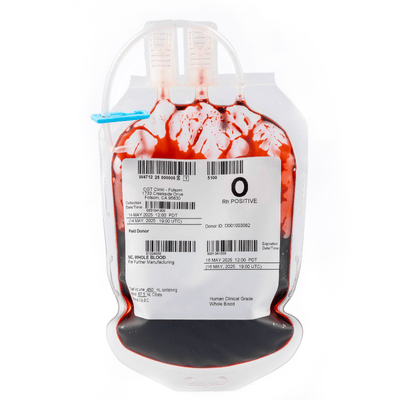
Whole Blood RUO and GMP
- Lower cost
- Easy collection process
- Minimal upfront processing
- Preserves native blood composition
Limitations of Whole Blood
- Lower immune cell yield
- Shorter viability window
- Requires extensive downstream processing
- Not ideal for large scale cell therapy manufacturing
For advanced immunotherapy workflows, whole blood is often only the starting point.
What Are PBMCs?
PBMCs stands for Peripheral Blood Mononuclear Cells.
These are immune cells isolated from blood using density gradient centrifugation or similar processing methods.
PBMC populations typically include:
- T cells
- B cells
- NK cells
- Monocytes
- Dendritic cells
PBMCs exclude:
- Red blood cells
- Most granulocytes
Researchers use PBMCs when they need cleaner immune cell populations without performing full isolation themselves.
Common PBMC Applications
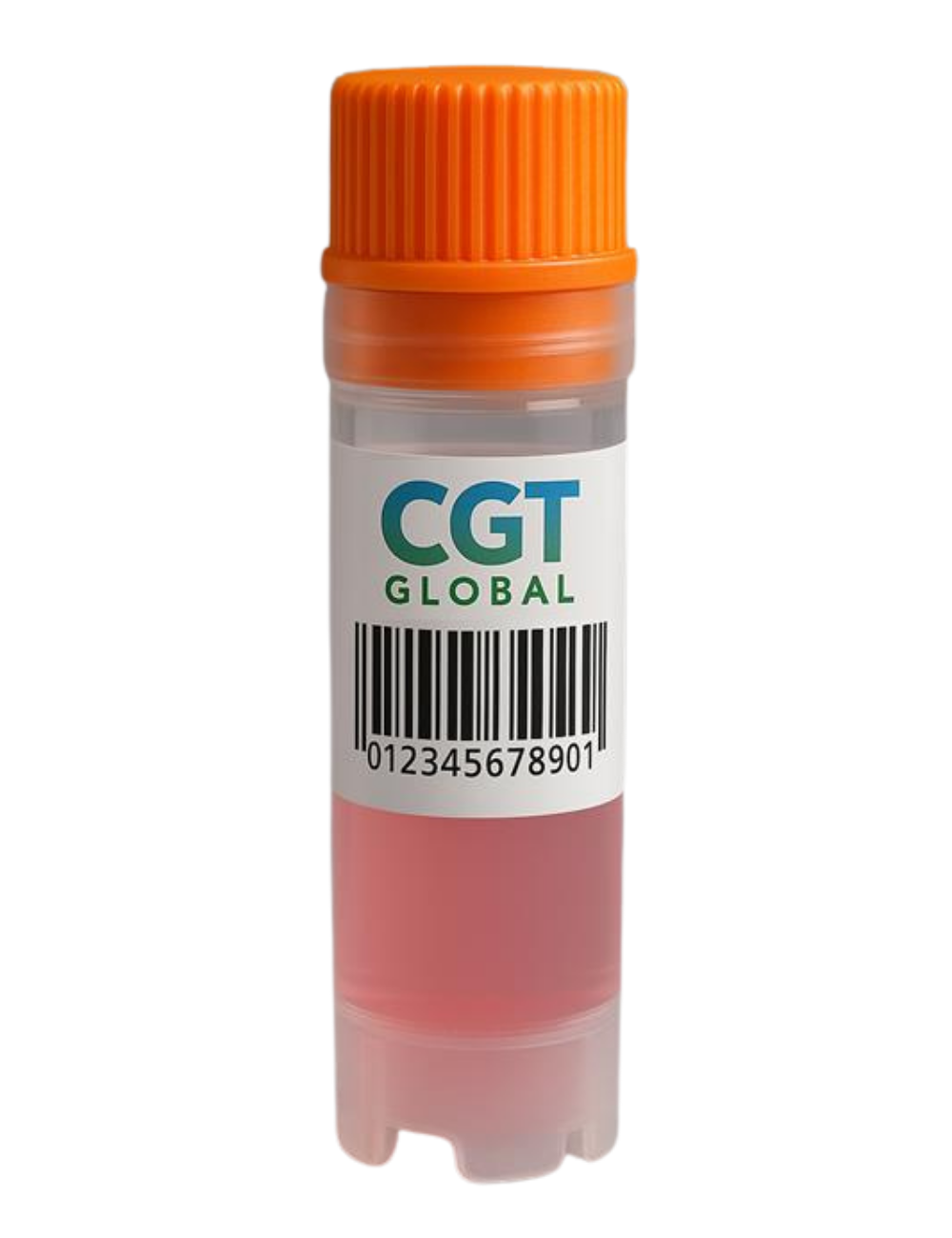
Cryovial of isolated cells
- Immune profiling
- ELISpot assays
- Flow cytometry
- Cytokine studies
- Drug screening
- Functional immune assays
Advantages of PBMCs
- Ready-to-use immune cell populations
- Reduced processing burden
- Cleaner assay performance
- Easier storage and cryopreservation
Limitations of PBMCs
- Lower total yield compared to leukopaks
- Less suitable for large manufacturing runs
- More limited scalability
PBMCs are often ideal for preclinical research and analytical workflows.
What Is a Leukopak?
A leukopak is a highly enriched leukapheresis product collected through an apheresis procedure.
During leukapheresis:
- Blood is removed from the donor
- White blood cells are selectively collected
- Remaining blood components are returned to the donor
This process generates a concentrated product rich in mononuclear cells.
Leukopaks are widely used in:
- CAR T development
- Cell therapy manufacturing
- Gene editing workflows
- T cell isolation
- NK cell expansion
- Process development
- Clinical manufacturing
Advantages of Leukopaks
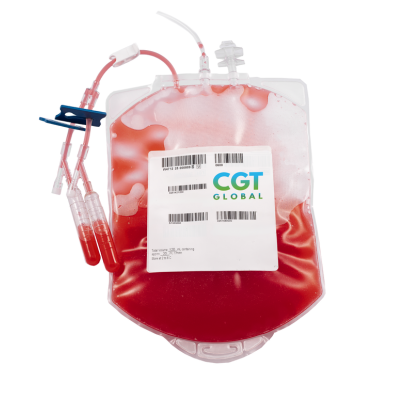
Extremely High Cell Yield
Leukopaks provide significantly more PBMCs than standard blood draws.
This is critical for:
- Cell therapy manufacturing
- Multiple downstream isolations
- Repeat experiments
- Scale up workflows
Better Manufacturing Efficiency
Higher starting cell counts reduce:
- Donor variability issues
- Additional collections
- Manufacturing bottlenecks
Ideal for Advanced Therapies
Most CAR T, TCR, NK, and gene editing programs rely on leukopak starting material.
Leukopak vs PBMC: What’s the Real Difference?
The biggest difference is scale.
PBMCs are isolated immune cells prepared for immediate research use.
Leukopaks are concentrated source material designed for large scale immune cell extraction and manufacturing.
Choose PBMCs If You Need:
- Ready-to-use immune cells
- Lower volume studies
- Functional assays
- Academic research workflows
- Simpler procurement
Choose Leukopaks If You Need:
- High cell yields
- Cell therapy manufacturing
- Multiple isolations
- GMP workflows
- Scale up capability
- Custom donor selection
Leukopak vs Whole Blood
Compared to whole blood, leukopaks dramatically reduce downstream processing and improve immune cell recovery.
A single leukopak can yield far more PBMCs than multiple tubes of whole blood.
For biotech companies working in:
- Cell therapy
- Immunotherapy
- Gene editing
- Translational medicine
Leukopaks are typically the preferred starting material.
Which Starting Material Is Best for Cell Therapy?
For most cell therapy workflows:
Whole Blood
Best for exploratory or low scale research only.
PBMCs
Best for analytical testing and functional immune studies.
Leukopaks
Best for:
- CAR T manufacturing
- T cell engineering
- NK workflows
- Gene modified cell therapies
- Clinical process development
- GMP manufacturing
Factors to Consider Before Choosing
Before selecting a material type, evaluate:
1. Required Cell Yield
Do you need millions or billions of cells?
2. Downstream Workflow
Are you performing:
- Basic assays?
- Cell isolation?
- Manufacturing?
3. Timeline
Ready-to-use PBMCs may reduce internal processing time.
4. Budget
Whole blood is least expensive.
Leukopaks provide the highest value at scale.
5. Donor Requirements
Advanced programs may require:
- HLA typing
- Disease state donors
- Genotyped donors
- Custom screening
How CGT Global Supports Cell Sourcing
CGT Global provides:
- Fresh leukopaks
- Cryopreserved leukopaks
- Isolated PBMCs
- Whole blood collections
- Custom donor recruitment
- HLA typed donors
- Genotyped donor screening
- GMP compliant collection support
Our team helps cell therapy and biotech organizations source high quality donor material aligned with their manufacturing and research requirements.
Frequently Asked Questions
Final Thoughts
Whole blood, PBMCs, and leukopaks each serve different purposes across the research and cell therapy landscape.
But as programs move toward clinical manufacturing and commercialization, leukopaks have become the preferred starting material due to their scalability, cell yield, and operational efficiency.
Choosing the right material early can reduce manufacturing challenges, improve reproducibility, and accelerate development timelines.