Introduction
T cell activation is a foundational step in cell and gene therapy workflows, particularly in CAR T and other adoptive cell therapies. While much attention is placed on genetic engineering and manufacturing scale, activation is where functional outcomes begin to take shape.
When done correctly, it enables strong expansion, optimal phenotypes, and durable responses. When done poorly, it can limit efficacy before a therapy even reaches the patient.
What Is T Cell Activation?
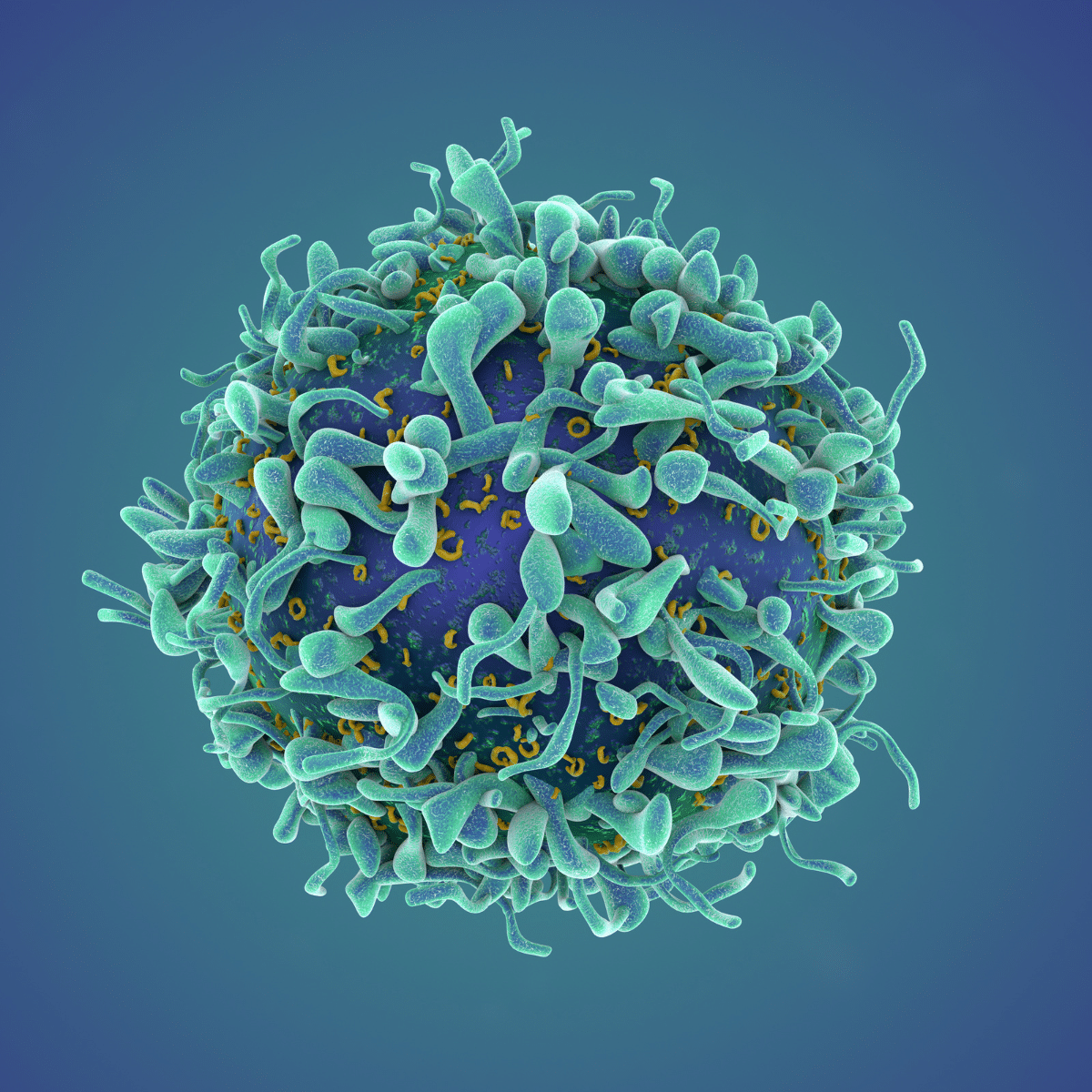
T cell activation is the process of stimulating T cells to transition from a resting state into an active, proliferative state.
This is typically achieved through:
CD3 and CD28 signalingBead-based or reagent-based activation systems
Cytokine support such as IL-2, IL-7, or IL-15
The goal is to initiate proliferation while maintaining functional quality.
Why T Cell Activation Matters
Activation is not just a step in the workflow. It directly impacts:
1. Expansion Capacity
2. Phenotype and Function
3. Persistence In Vivo
4. Reproducibility
T Cell Activation Methods and Key Variables
Not all T cell activation approaches are the same.
And small differences in how activation is done can significantly impact expansion, phenotype, and overall cell performance.
Activation Methods
1. Bead-Based Activation (CD3 /CD28)
Magnetic or polymer beads coated with CD3 and CD28 antibodies mimic antigen-presenting cells and deliver the signals needed for activation.
Why it is used:
High consistency and reproducibility
Strong and reliable activation signal
Scalable for manufacturing
Tradeoffs:
Risk of overactivation if not controlled
Bead removal step required downstream
2. Soluble Antibody Activation
Why teams use it:
Simpler setup
No bead removal required
Tradeoffs:
Less control over signal strength
More variability across runs
3. Artificial Antigen Presenting Cells (aAPCs)
Why this matters:
Can better mimic in vivo conditions
Potential to guide more favorable T cell phenotypes
Tradeoffs:
More complex to implement
Less standardized across the industry
The Core Signals Behind Activation
Regardless of method, activation depends on two key signals:
Signal 1: TCR Engagement (CD3)
Signal 2: Co-stimulation (CD28 or others)
Without both signals, activation is incomplete or ineffective.
Key Variables That Drive Outcomes
Even with the same method, outcomes can vary widely depending on how activation is controlled.
1. Signal Strength
Too weak:
Poor activation
Limited expansion
Too strong:
Rapid differentiation
Increased exhaustion
The goal is balanced activation that promotes expansion without compromising function.
2. Activation Duration
Short activation:
Incomplete activation
Lower yields
Extended activation:
Increased risk of T cell exhaustion
Reduced long-term persistence
Timing needs to be optimized based on the application.
3. Cytokine Environment
Cytokines guide how T cells differentiate after activation.
Common examples:
IL-2 : Strong expansion but can drive more differentiated cellsIL-7 / IL-15 : Support memory-like phenotypes and persistenceIL-21 : Can enhance function and longevity
Choosing the right combination shapes the final product.
4. Cell Density and Culture Conditions
Factors like:
Cell concentration
Media composition
Oxygen levels
All influence how cells respond to activation.
Even small changes can shift expansion rates and phenotype.
5. Starting Material Quality (Critical Variable)
This is where variability often enters the system.
Differences in starting material affect:
Baseline activation state
T cell subset composition
Responsiveness to stimulation
For example:
A leukopak with a higher proportion of naïve T cells may respond very differently than one enriched with more differentiated cells
Lower viability can reduce activation efficiency
This is why identical activation protocols can produce very different outcomes across donors.
Why This Matters
T cell activation is not a single step.
It is a controlled system where:
Method determines the framework
Variables determine the outcome
When these are not tightly controlled, variability increases.
And once variability enters the process, it becomes harder to fix downstream.
Common Challenges
Teams often encounter:
Inconsistent expansion across donors
Early T cell exhaustion
Variability in phenotype
Difficulty scaling activation conditions
These issues often trace back to insufficient control over activation parameters.
Getting T Cell Activation Right
Successful teams treat activation as a controlled system, not a checkbox step.
This means:
Standardizing activation protocols
Monitoring key quality attributes
Optimizing cytokine combinations
Accounting for donor variability
Small improvements at this stage can have outsized impact downstream.
Conclusion
T cell activation is where cell therapy outcomes begin.
It sets the stage for expansion, function, and persistence.
In a field where precision matters, getting this step right is not optional.
It is foundational.